
Types of LED luminaires
Recessed, surface, pendant, track, strips and outdoor floodlights — what goes where.
Recessed, surface, pendant
Recessed fixtures sit flush in the ceiling or furniture — set into a plasterboard or slatted suspended ceiling. They give even, "invisible" light and don't eat into the room's height.
Surface fixtures mount straight onto the ceiling or wall when there's nowhere to recess into — concrete, a bathroom, a balcony. Pendants hang on a cable or rod over a dining table, bar or reception: light and an interior accent at once.
Combine them: general recessed light across the area, plus a pendant or surface accent over the work and dining zones.
Track and magnetic systems
A track system is a busbar (track) along which fixtures slide and rotate freely. You aim the light where it's needed: at goods, a picture, a zone. Handy for shops, studios, cafés and flexible interiors where the layout changes.
Magnetic systems are the modern variant: a slim recessed or surface low-voltage profile, with fixtures held by a magnet anywhere along it. It looks neat and is easy to rearrange.
Important: the track and fixtures must be one system and compatible in contact count and voltage. Not all tracks are interchangeable — check the series.
LED strip and profile
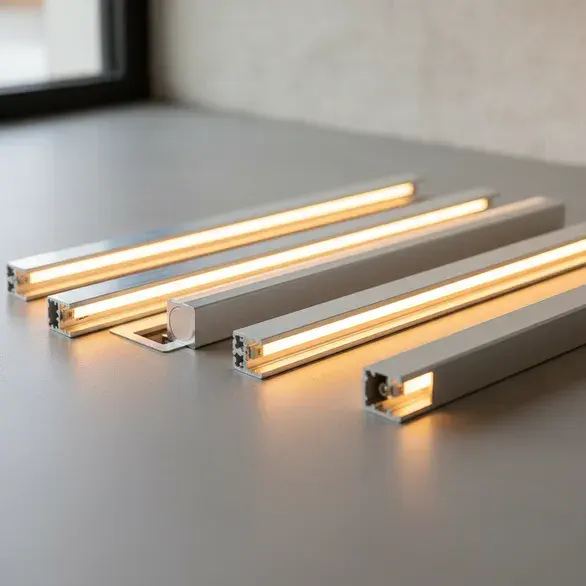
LED strip is accent lighting, not the main light. It runs into a ceiling recess, under kitchen cabinets, into furniture, along a contour. A strip needs a driver at the right voltage (12 or 24 V) and a 20–30% power margin.
Strip is almost always set into an aluminium profile: it draws off heat (the strip lasts longer), protects it from damage, and gives an even line of light instead of dots through a diffuser.
For wet zones use a rated strip (IP65 or higher) and a sealed profile. Strip power is quoted per metre — measure the length first so you can size the driver.
Other courses
Lighting basics
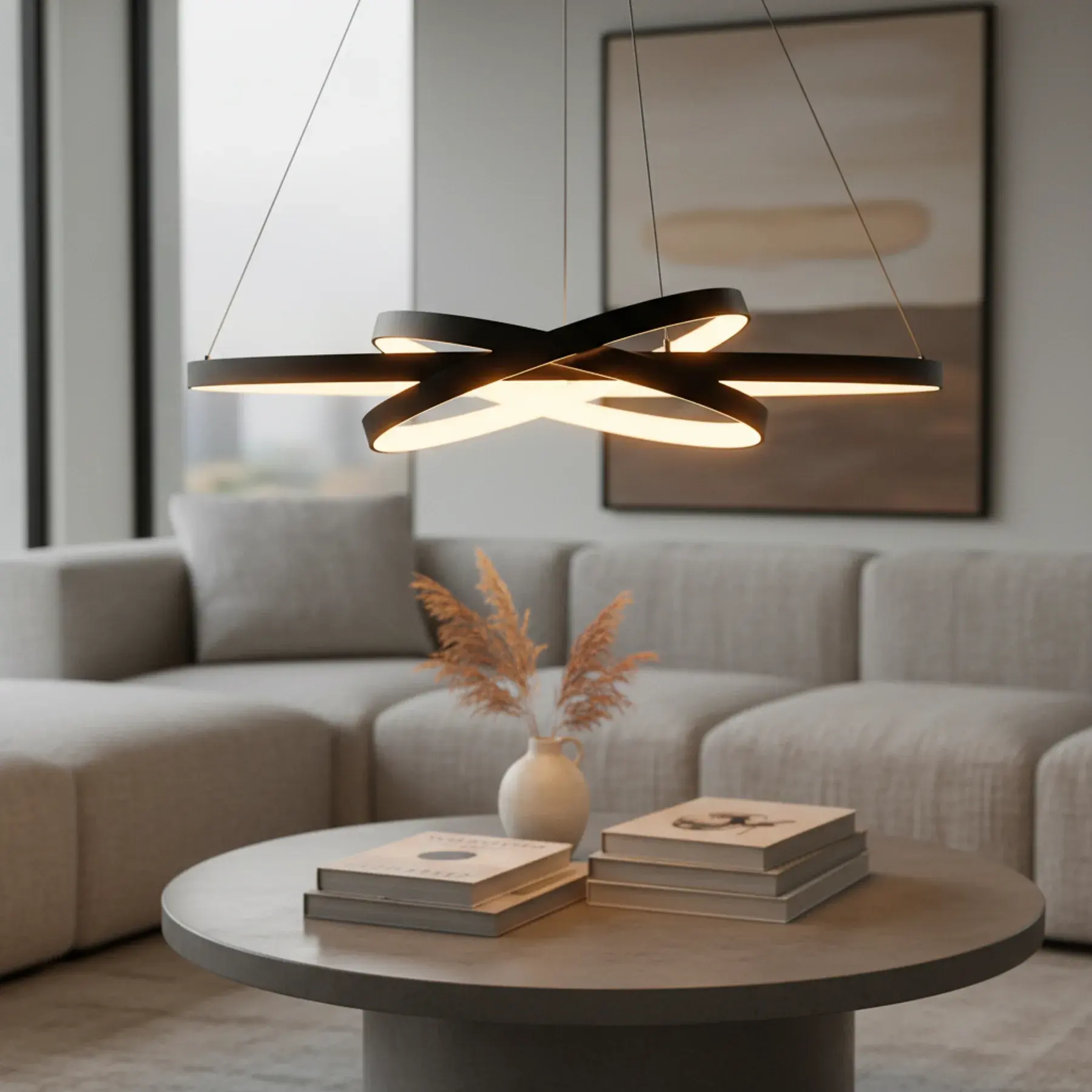
How to choose a luminaire by its light rather than its wattage: brightness, colour of light, protection from dust and water.
Sockets and switches
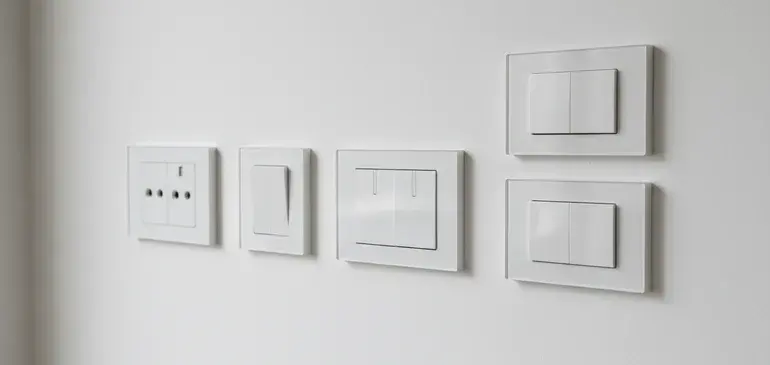
Ratings, earthing, two-way switches and dimmers, protection in wet zones.
Planning light and sockets by room
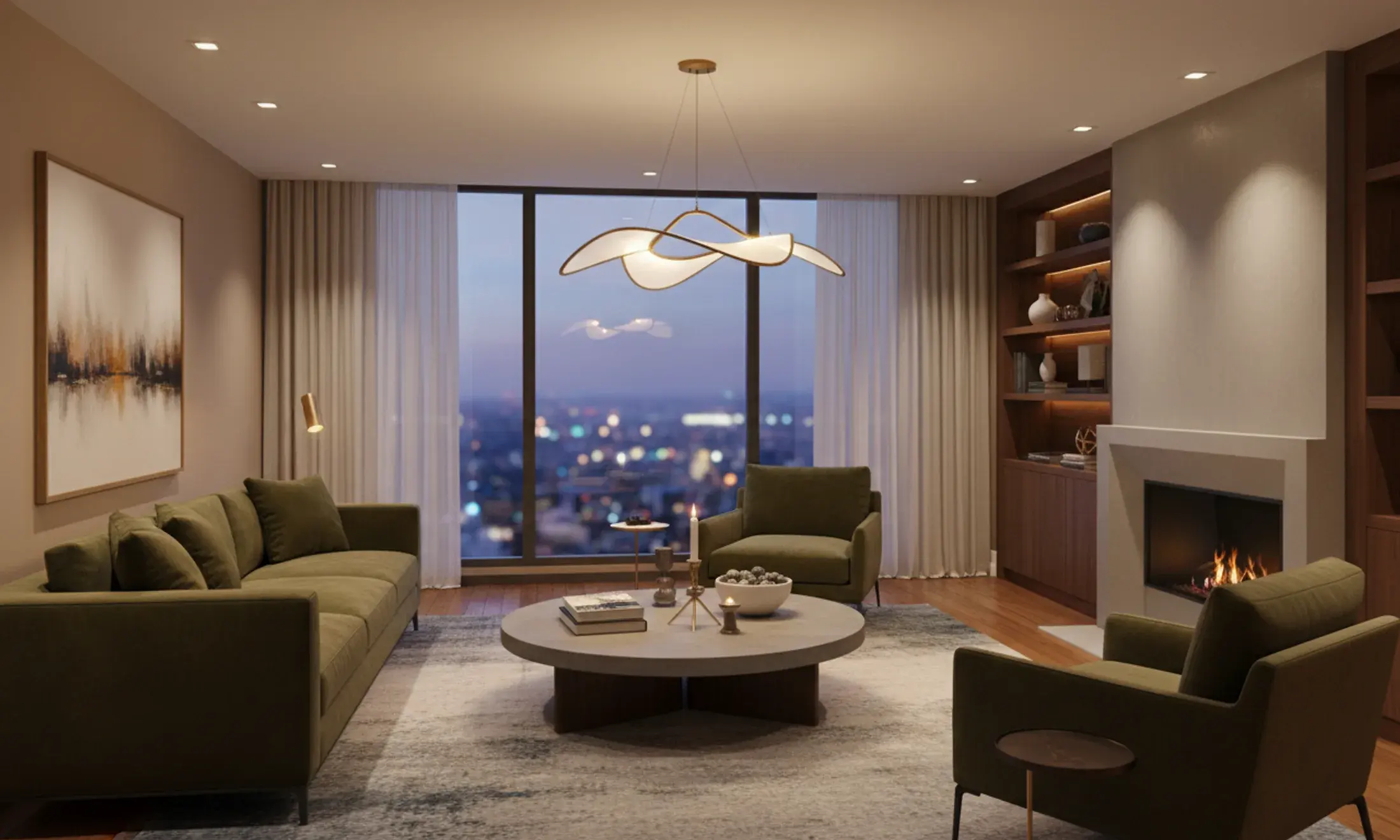
How much light and how many points a kitchen, living room or bedroom needs — and how to work it out with the Electrica calculator.